

|
Many buyers and warehouse operators regard glass as fully stable material that stays clear forever. Yet batches of glass containers, tableware and decorative pieces may turn hazy and lose transparency after months or years of warehouse storage. This cloudy surface film puzzles many merchants, as the defect shows up even without physical scratches or obvious dirt. Understanding root causes helps glass suppliers avoid quality loss during long‑term stock management.
|
 |
 |
Soda lime glass forms the largest share of mass‑produced commercial glass goods. This widely used glass type contains alkali components as melting agents. When stored under humid conditions, moisture molecules attach steadily to glass exterior and trigger slow hydrolysis reactions. Alkali ions leach out from the glass surface and form alkaline residues. These residues further react with carbon dioxide inside air and generate tiny carbonate crystal deposits, creating faint milky haze across glass surfaces.
|
|
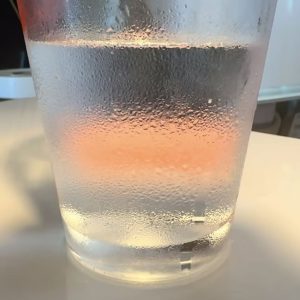
Condensation and repeated humidity cycles greatly accelerate haze formation. Temperature shifts inside closed warehouses produce fine dew drops on cold glass surfaces. When stacked glass pieces press tightly together, moisture gets trapped between contact areas and cannot evaporate quickly. Alternating damp and dry conditions speed up alkali precipitation. Poor ventilation in sealed storage boxes or cartons worsens this chemical weathering process significantly.
|
 |
 |
People often confuse true glass weathering haze with ordinary surface dirt. Early‑stage carbonate deposits can sometimes be washed away with mild acidic cleaning solutions. Once chemical erosion penetrates the glass outer layer, the cloudy film becomes permanent and cannot be removed by washing. Distinguishing reversible surface deposits from irreversible corrosion helps merchants make correct quality judgements for stored glass inventory.
|
|
Glass material composition directly decides anti‑haze performance. Borosilicate glass carries far better resistance against surface weathering thanks to low alkali content. Ordinary untreated soda lime glass is most vulnerable to haze defects. Glass products with surface protective treatments show improved stability under long‑term storage. Suppliers should match storage standards according to actual glass material categories before warehousing goods.
|
 |
 |
Additional secondary factors raise risks of hazy glass. Residual manufacturing detergent, incomplete drying before packing, and paper‑foam packing materials releasing moisture will promote surface reactions. Heavy stacking pressure makes tight contact surfaces more likely to develop cloudy marks. Even high‑quality glass will suffer surface degradation if kept continuously in hot and humid non‑ventilated surroundings for extended periods.
|
|
Practical storage measures effectively reduce haze risks for glass inventory. Keep warehouse relative humidity stable and avoid sharp temperature fluctuations. Guarantee sufficient air circulation and prevent sealed damp packing environments. Separate glass surfaces with proper interleaving materials to cut direct contact. Select suitable glass grades for long‑term stock. Reasonable environmental control protects glass transparency and lowers reject rate for bulk stored glass products.
|
 |
Why Do Some Glass Items Develop Haze After Long Time Storage?
Aug, 28. 2026
|
1368 View


