

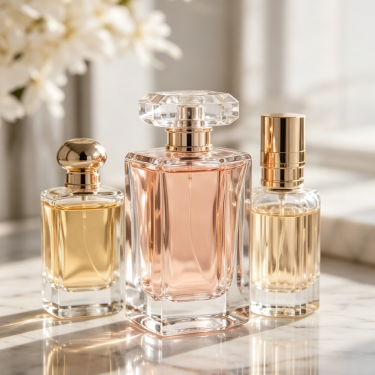
Premium fragrances widely use thick glass bottles not merely for aesthetic reasons, but as a result of combined considerations from chemistry, material science, structural engineering, and luxury branding strategy. Perfume itself is a highly volatile and chemically complex mixture composed of top, middle, and base notes. These aromatic molecules are extremely sensitive to environmental factors such as light exposure, temperature fluctuations, and air contact, meaning that the choice of container directly affects fragrance stability and longevity.
 |
 |
 |
From a chemical protection perspective, thick glass significantly reduces UV light penetration, minimizing photochemical degradation of delicate fragrance compounds. In addition, the higher material density of thick glass helps buffer external temperature variations, reducing thermal stress on the liquid inside. This results in a slower and more controlled evaporation process, helping preserve the intended olfactory structure over time. These properties are especially critical for high-concentration perfumes, which contain more complex and sensitive molecular compositions.
From a structural standpoint, thick glass bottles offer superior durability and impact resistance. During transportation, storage, and retail handling, fragrance products are frequently subjected to vibration, pressure, and accidental impact. Thicker glass reduces the risk of breakage and enhances the stability of sealing systems, minimizing fragrance loss caused by evaporation or leakage. This ensures consistent product quality from production to end-user experience.
 |
 |
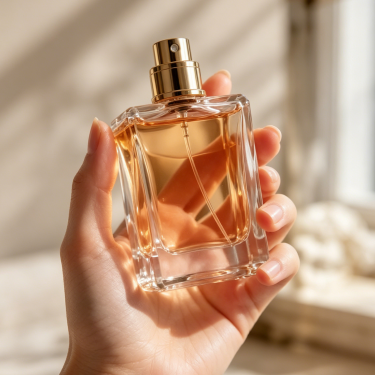 |
Beyond functional performance, thick glass plays a crucial role in perceived value creation. In luxury markets, weight is often psychologically associated with quality, exclusivity, and craftsmanship. When consumers hold a heavier bottle, they subconsciously interpret it as a sign of higher value and superior production standards. This tactile impression, combined with visual elegance, creates a ritualistic user experience that transforms perfume from a simple consumer product into an emotional and symbolic object.
 |
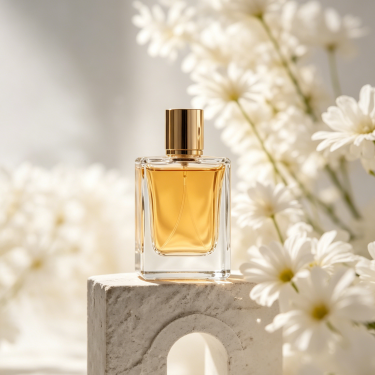 |
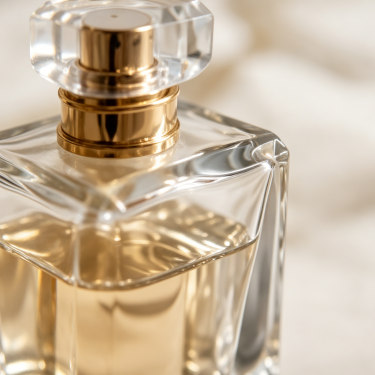
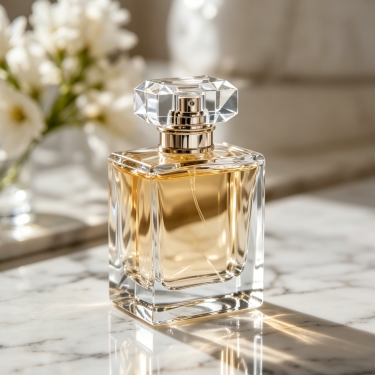
Moreover, thick glass bottles function as powerful branding instruments. Through surface finishing, light refraction, and material clarity, brands can create distinctive visual identities that enhance shelf presence and recognition. In highly competitive luxury markets, this silent visual communication is as important as traditional advertising.
Ultimately, thick glass bottles are not just containers but integrated brand media systems that merge scientific protection, structural integrity, and emotional storytelling into a single design language.


