

|
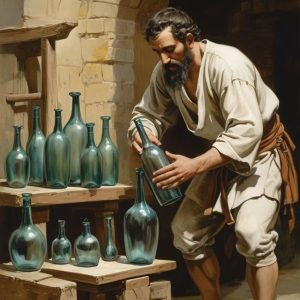
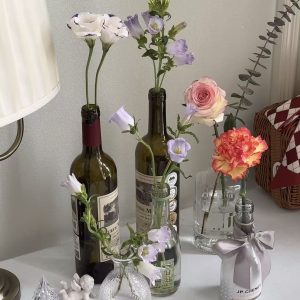
Glass decanters are classic table glassware widely used in homes, restaurants and hotels before wine serving. Many people enjoy better‑tasting wine after pouring it into a decanter, yet few fully understand how this simple glass vessel completes effective aeration. Its aeration ability mainly comes from special structural design instead of chemical changes to the wine itself.
|
 |
 |
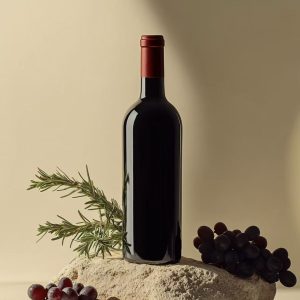
Inside a sealed wine bottle, liquid only touches air at the tiny neck opening. Oxygen contact is extremely limited. After long‑term sealed storage, wine aromas stay locked and tannins may feel sharp and astringent. Simply opening the bottle cap can hardly bring enough air to improve wine quality in a short time.
|
|
Most glass decanters adopt a wide‑bowl, broad‑base and narrow‑neck structure. When users pour wine into the container, liquid spreads across the large bottom surface. This greatly expands the contact area between wine and surrounding air, which is the core physical principle of decanter‑driven aeration.
|
 |
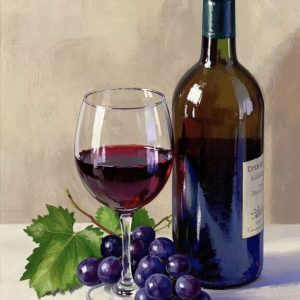 |
Two obvious changes take place during sufficient air contact. Unpleasant volatile reductive smells evaporate gradually. At the same time, gentle oxidation reacts with tannin substances inside wine. Harsh tannins become softer, reducing the dry, bitter feeling on the tongue when drinking.
|
|
Better aroma performance is another key benefit. As oxygen interacts with wine molecules, hidden fruity, floral and earthy notes slowly come out. The whole wine becomes more layered and expressive. Drinkers can catch richer scent during tasting.
|
 |
 |
Different shapes of glass decanters create different aeration speeds. Wide‑base styles offer maximum air contact, perfect for young, heavy‑tannin red wine. Narrow‑bodied decanters provide mild aeration, more suitable for aged fragile red wines that cannot stand too much oxygen exposure.
|
|
High‑quality transparent glass material also supports practical auxiliary functions. Users can clearly observe wine color and sediment inside. Clean, inert glass will not leave extra smell or contaminate wine flavor, making it the ideal material for professional wine‑serving decanters.
|
 |
Why Do Glass Decanters Enhance Wine Aeration Before Serving?
Sep, 02. 2026
|
1401 View


