

| Glass wine bottles have been the preferred packaging solution for centuries because they provide exceptional protection and preserve the original characteristics of wine. Unlike many alternative materials, glass is chemically inert, meaning it does not react with wine or affect its aroma, flavor, or composition. This stability ensures consistent quality from bottling to consumption. | 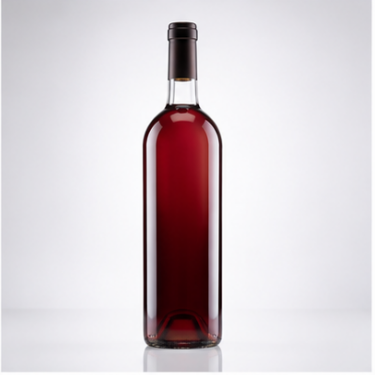 |
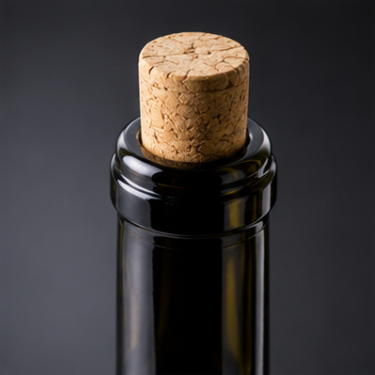 |
Another key advantage is superior barrier performance. Glass effectively blocks moisture, gases, and contaminants, helping maintain the ideal environment for wine aging. Combined with high-quality corks or screw caps, glass bottles significantly reduce oxidation risks and extend product shelf life. |
| Glass bottles also enhance brand value. Their premium appearance, crystal clarity, and wide range of colors, shapes, embossing, and decorative finishes allow wineries to create distinctive packaging that reflects product quality and brand identity. Premium packaging often influences purchasing decisions and strengthens consumer confidence. | 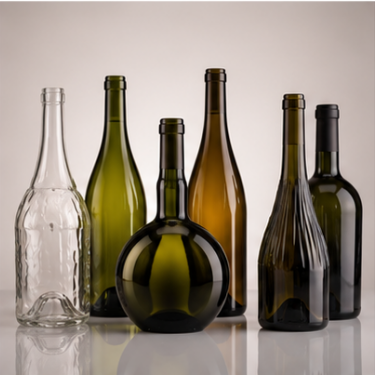 |
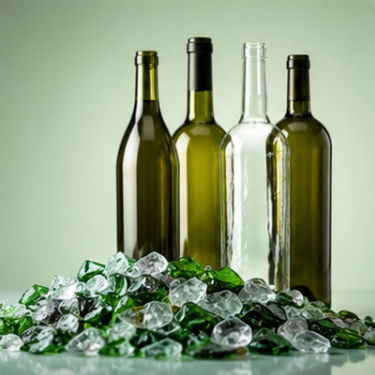 |
Sustainability has become increasingly important in the wine industry. Glass is 100% recyclable without losing quality, allowing it to be reused repeatedly. Many manufacturers now incorporate recycled glass into production, reducing energy consumption and supporting circular economy initiatives while meeting environmental regulations. |
| From a manufacturing perspective, glass bottles are compatible with modern automated filling, labeling, and packaging systems. Their dimensional consistency improves production efficiency and minimizes packaging defects, making them ideal for wineries of all sizes. | 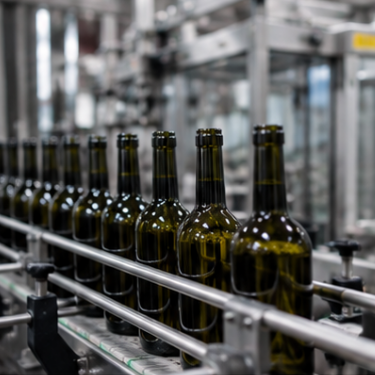 |
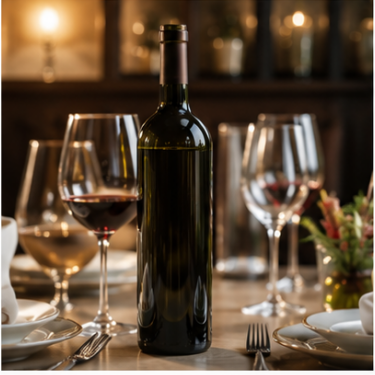 |
Consumers also associate glass bottles with authenticity and premium quality. Whether purchasing wines in retail stores, restaurants, or wineries, buyers generally perceive glass packaging as more trustworthy and suitable for long-term storage compared with plastic or other alternatives. |
| As global wine markets continue to evolve, glass bottles remain the industry standard by combining product protection, sustainability, premium aesthetics, and manufacturing efficiency. Continuous innovations in lightweight glass, decorative technologies, and eco-friendly production will further strengthen their position in the future. | 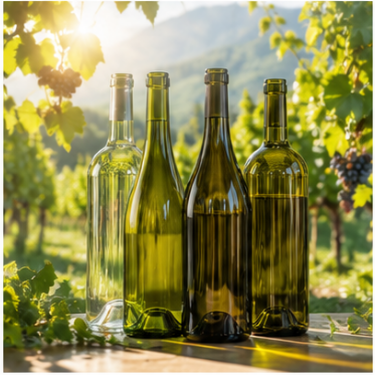 |
Why Are Glass Wine Bottles Still the Industry Standard?
Jul, 09. 2026
|
787 View


