

| In recent years, glass beverage bottles have experienced a remarkable resurgence across the global packaging industry. As consumers become increasingly concerned about environmental sustainability, product quality, and brand authenticity, beverage manufacturers are re-evaluating their packaging choices and turning back to glass as a preferred solution. Once considered a traditional packaging format, glass bottles are now being embraced as a modern and premium option that aligns with evolving consumer expectations. | 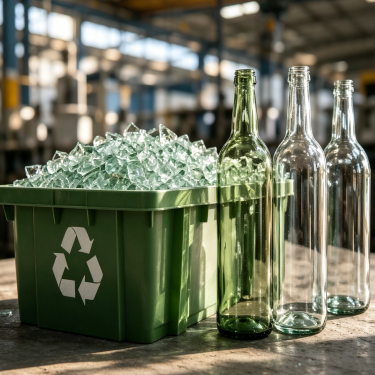 |
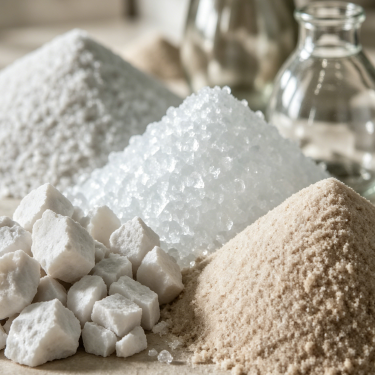 |
One of the primary reasons for this comeback is sustainability. Glass is made from natural raw materials and can be recycled indefinitely without losing its quality or purity. Unlike many single-use packaging materials, recycled glass can be transformed into new bottles repeatedly, helping reduce waste and support circular economy initiatives. As governments and consumers place greater emphasis on environmental responsibility, brands using glass packaging often gain a competitive advantage in the marketplace. |
| Another major factor is product integrity. Glass is chemically inert, meaning it does not react with beverages or release substances that could alter flavor, aroma, or quality. This makes glass particularly attractive for premium beverages, including juices, mineral water, craft beer, kombucha, wine, and specialty drinks. Consumers increasingly associate glass packaging with freshness, purity, and safety. | 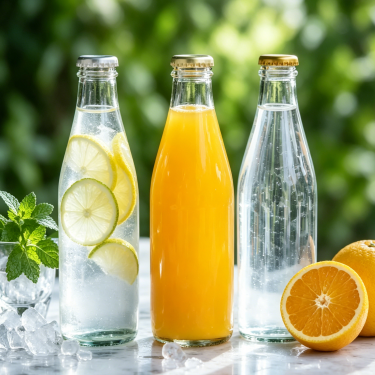 |
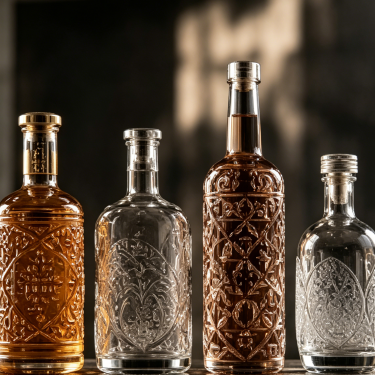 |
The premium appearance of glass also plays an important role. Transparent glass showcases the beverage inside while conveying a sense of quality and sophistication. Many brands use custom bottle designs, embossing, and decorative finishes to create distinctive packaging that enhances shelf appeal and strengthens brand recognition. In competitive retail environments, packaging that communicates value can significantly influence purchasing decisions. |
| Consumer behavior is also driving demand. Modern shoppers are seeking products that align with their values and lifestyles. Reusable and recyclable packaging has become a symbol of responsible consumption. Many consumers repurpose glass bottles after use, extending the life cycle of the packaging while maintaining brand visibility in homes and workplaces. | 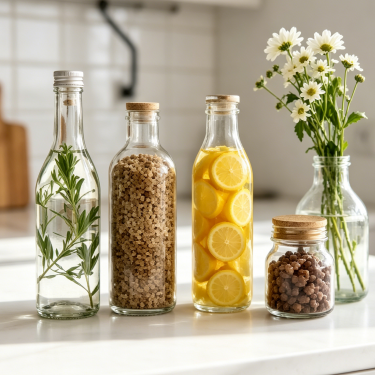 |
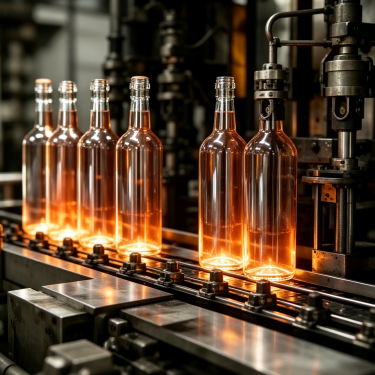 |
Technological advancements have further accelerated the return of glass packaging. Modern manufacturing processes allow glass bottles to be lighter, stronger, and more cost-efficient than in previous decades. Improved production efficiency and innovative design capabilities enable beverage companies to create customized packaging solutions that balance aesthetics, functionality, and sustainability. |
| As beverage brands continue to compete for consumer attention, packaging has become a critical component of brand strategy. Glass beverage bottles offer a unique combination of environmental benefits, product protection, premium image, and long-term brand value. Their resurgence reflects a broader shift toward sustainable and experience-driven packaging, making glass an increasingly important choice for the future of the beverage industry. | 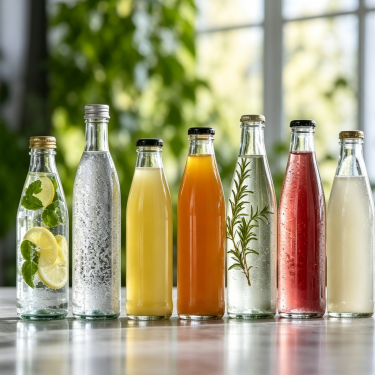 |


