

Which Is Healthier, Glass or Stainless Steel?
Author: Jolin Sun
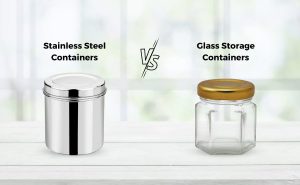
When choosing food and beverage packaging, many consumers ask the same question: Which is healthier, glass or stainless steel? Both materials have advantages, but the answer often depends on how the container will be used.
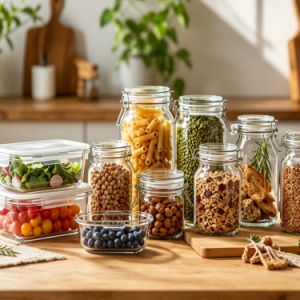 A glass jar, glass bottle, or glass container is made from natural raw materials and is chemically stable. Glass is non-porous and non-reactive, meaning it does not absorb odors, flavors, or stains from food. Acidic products such as fruit juices, tomato sauces, jams, and pickled foods can be safely stored in a glass bottle or glass jar without affecting taste or quality. This makes glass packaging a preferred choice in the food and beverage industry.
Stainless steel is also considered a safe material, especially high-grade stainless steel such as 304 or 316. It is lightweight, durable, and resistant to corrosion. Stainless steel water bottles are popular for outdoor activities because they are difficult to break. However, some highly acidic foods may react with lower-quality stainless steel over long periods of storage.
A major advantage of a glass container is transparency. Consumers can easily inspect the product inside a glass jar or glass bottle, increasing confidence in food quality. In addition, glass can be recycled repeatedly without losing purity or performance, making it an environmentally friendly packaging solution.
From a health perspective, both glass and premium stainless steel are safe options. However, for long-term food storage and preserving the original flavor of products, a glass jar or glass bottle is often regarded as the superior choice. Honey, sauces, spices, beverages, and desserts are frequently packaged in glass containers because they maintain freshness without interacting with the contents.
Stainless steel excels in portability and impact resistance, while glass shines in purity, aesthetics, and product presentation. For manufacturers seeking attractive and reliable packaging, a glass container remains one of the most trusted solutions on the market.
Ultimately, the healthiest choice depends on consumer needs. If visibility, flavor preservation, and recyclability are priorities, a glass jar or glass bottle is hard to beat. If durability and convenience are more important, stainless steel may be the better option. Both have their place, but glass packaging continues to be a timeless favorite for food and beverage applications worldwide.


