

|
Essential oils consist of volatile active ingredients that are sensitive to light, oxygen and temperature. Improper packaging materials will lead to oxidation, aroma loss and deterioration, shortening the shelf life of essential oils. Many buyers only focus on bottle shape and appearance while ignoring glass material selection. Choosing the proper glass type is the foundation to maintain essential oil quality and extend storage time.
|
 |
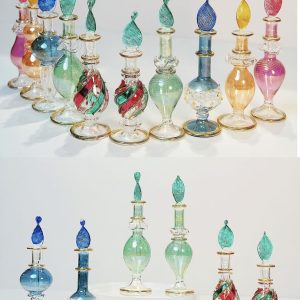 |
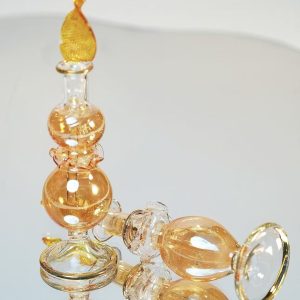
Amber glass is widely recognized as a classic packaging choice for essential oils. It can block most ultraviolet rays and visible light. Light exposure easily destroys active compounds inside essential oils and triggers chemical changes. Amber glass effectively isolates harmful light, slowing down oxidation and protecting the natural fragrance and efficacy of essential oils during storage and sales.
|
|
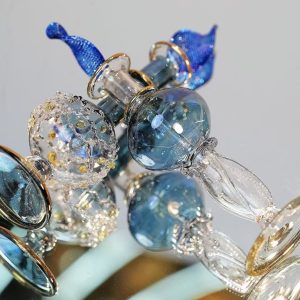
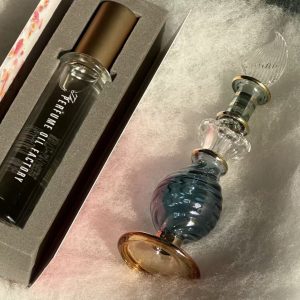
Dark blue glass shares similar light shielding performance with amber glass. It filters ultraviolet radiation and is favored by brands pursuing unique visual positioning. Blue glass creates an elegant aesthetic, suitable for aromatherapy and luxury essential oil products. However, its light blocking capacity is slightly weaker than amber glass under long-term strong light environment, so it works better for indoor storage.
|
 |
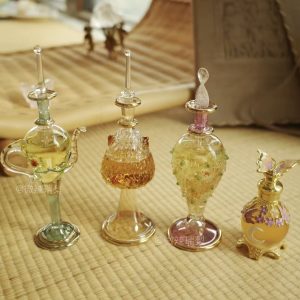 |
Clear transparent glass has excellent display effects but lacks light protection. It cannot block ultraviolet light. If essential oils are stored in clear glass bottles for a long time, active components will degrade rapidly. Clear glass is only fit for short-term display or finished products that will be used quickly. It is not recommended for long-term sealed storage of pure essential oils.
|
|
Green glass can partially resist ultraviolet rays, yet its shielding effect is limited. It is commonly used for carrier oils and some cosmetic mixtures instead of high-purity essential oils. Green glass is more popular in beverage packaging. For essential oil traders, it is not the primary choice when product stability is the top priority.
|
 |
 |
Glass purity also matters besides color. High borosilicate glass features stable chemical properties. It will not react with oily essential liquid even under temperature changes. Ordinary soda-lime glass meets regular packaging demands and brings cost advantages. Suppliers should match glass grade according to product grade and target market requirements.
|
|
In summary, amber glass provides the optimal overall protection for essential oils thanks to outstanding UV resistance. Dark blue glass serves as a good alternative for differentiated branding. Clear and green glass have obvious limitations on light isolation. Essential oil brands need to balance protection performance, visual style and cost when selecting glass material to keep products stable throughout circulation.
|
 |
Which Glass Material Offers the Best Protection for Essential Oils?
Aug, 13. 2026
|
980 View


