

Glass jars have become one of the most popular packaging and storage solutions for dry foods due to their durability, transparency, and sustainability. Unlike plastic containers, glass does not absorb odors, stains, or flavors, making it ideal for preserving the original quality of food products. However, choosing the best glass jar depends on the type of dry food being stored and the environmental conditions in which it will be kept.
 |
 |
 |
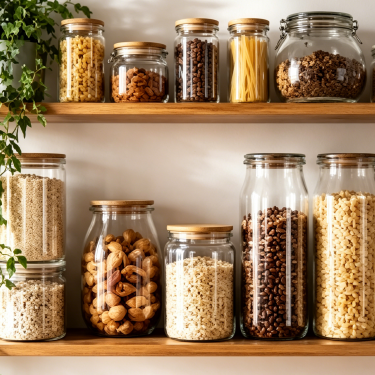
For most dry food applications, airtight glass jars with silicone-sealed lids are considered the best choice. These jars effectively block moisture, air, and contaminants, helping maintain freshness and extend shelf life. Foods such as rice, pasta, flour, coffee beans, tea leaves, nuts, cereals, and dried fruits benefit significantly from airtight storage. The silicone gasket creates a reliable barrier that protects contents from humidity, which is one of the primary causes of spoilage in dry foods.
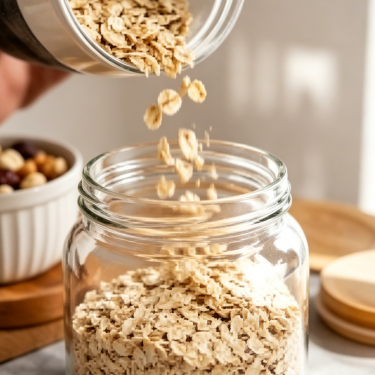
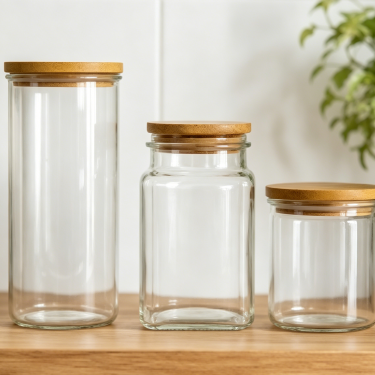
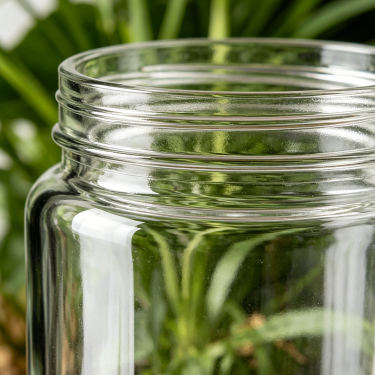
Wide-mouth glass jars are particularly practical because they allow easy filling, scooping, and cleaning. They are suitable for larger ingredients such as grains, pasta, beans, and snack products. Tall cylindrical jars maximize storage efficiency and are ideal for organized pantry displays, while square glass jars offer better space utilization on shelves and in kitchen cabinets.
 |
 |
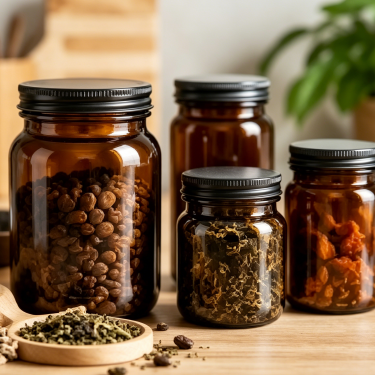
The thickness and quality of the glass also play an important role. High-quality food-grade glass provides excellent durability and resistance to temperature fluctuations. Clear glass jars allow users to quickly identify contents and monitor inventory levels, while amber or tinted glass jars offer additional protection for light-sensitive products such as coffee, tea, herbs, and spices.
|
 |
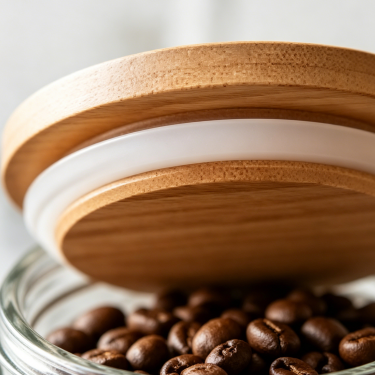
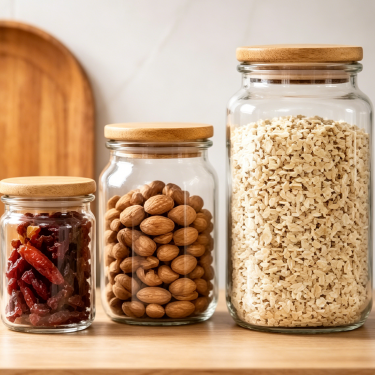
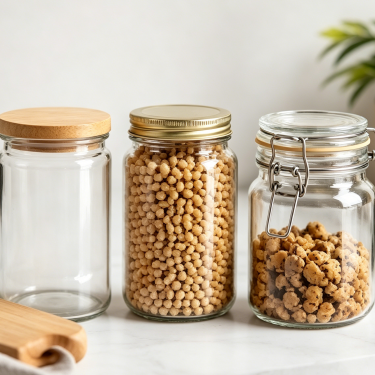
Lid selection is equally important. Bamboo lids with silicone seals provide a natural and premium appearance, making them popular for modern kitchens and retail packaging. Metal screw lids deliver excellent airtight performance and are commonly used for long-term food storage. Clamp-top jars featuring stainless steel locking mechanisms offer superior sealing and are often preferred for premium dry food packaging.
 |
 |
When selecting a glass jar, capacity should match consumption habits. Smaller jars work well for spices, herbs, and specialty ingredients, while larger containers are more suitable for bulk storage of flour, rice, and cereals. Choosing the correct size minimizes air space inside the container, helping preserve freshness for longer periods.
Ultimately, the best glass jar for dry food storage is an airtight food-grade glass jar with a durable sealing system, appropriate capacity, and user-friendly design. Such jars provide excellent protection, improve food organization, enhance product presentation, and support sustainable packaging practices.


