

In 2026, perfume bottle design is undergoing a profound transformation from a simple packaging container into a fully integrated brand experience system. This shift is driven by sustainability demands, technological innovation, and the continuous evolution of consumer aesthetics. As a result, perfume bottles are no longer just functional vessels for fragrance but have become multi-layered carriers of brand identity, sensory experience, and digital interaction.
 |
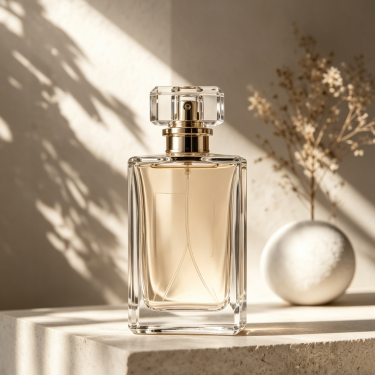 |
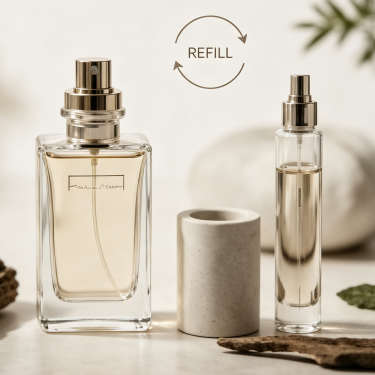
One of the most significant trends is sustainability. With increasing environmental regulations and growing consumer awareness, brands are rapidly adopting refillable systems and recyclable glass materials to reduce single-use packaging waste. At the same time, advancements in lightweight yet high-strength glass technology allow manufacturers to reduce material consumption without compromising the luxurious feel and structural integrity expected in premium fragrances. This balance between “lightweight engineering” and “luxury perception” is redefining modern packaging standards.
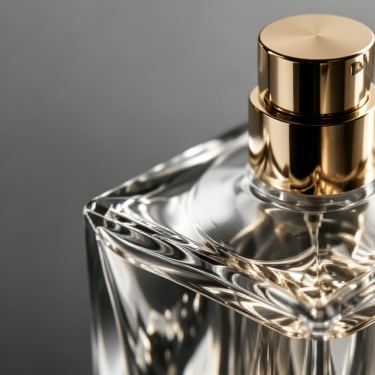
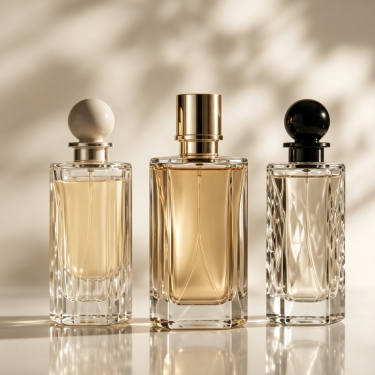
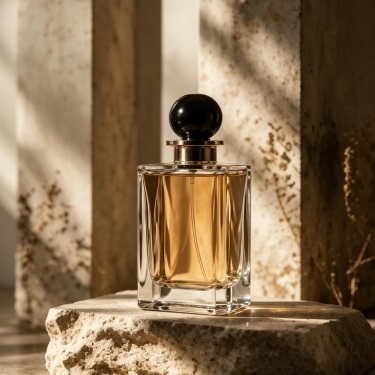
Minimalist design continues to dominate in 2026, but its expression has evolved into a more refined and material-focused aesthetic. Instead of relying on heavy decoration or visual complexity, contemporary perfume bottles emphasize the intrinsic qualities of materials such as glass transparency, refraction, and surface texture. By reducing visual noise, brands shift attention toward material language and light interaction, creating a more sophisticated sense of luxury.
 |
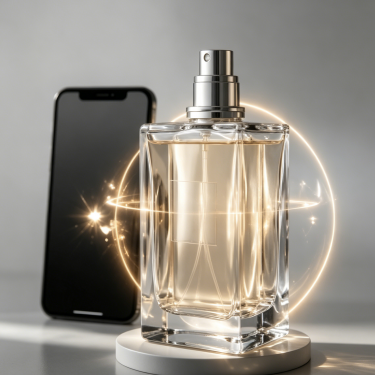 |
In parallel, smart packaging technologies are gradually entering the luxury fragrance sector. Through NFC, RFID, and digital identity tags, consumers can access product authentication, traceability data, and personalized brand content. This digital layer transforms perfume bottles from static objects into interactive information gateways, strengthening the connection between brands and consumers.
Personalization is another key trend shaping the industry. More brands are offering customization options such as engraving, color variation, and limited-edition visual design. This allows perfume bottles to function as expressions of personal identity and lifestyle, turning fragrance into a more individualized and emotional experience.
 |
 |
Overall, perfume bottle design in 2026 is defined by the convergence of three core forces: sustainability, technological integration, and personal expression. The future perfume bottle is no longer just a container, but a hybrid medium combining environmental responsibility, digital interaction, and emotional storytelling.


