|
Selecting the right glass bottle size is one of the most important packaging decisions for any beverage brand. While bottle shape, color, and decoration contribute to visual appeal, capacity directly influences purchasing behavior, transportation efficiency, production costs, and overall consumer experience. Choosing a bottle that matches your product and market expectations can significantly improve brand competitiveness. |
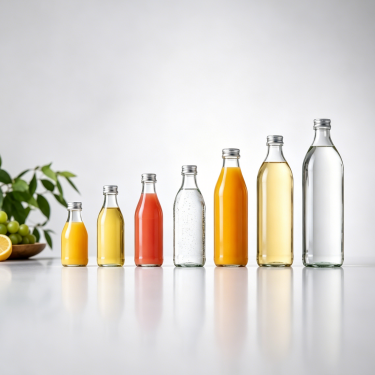
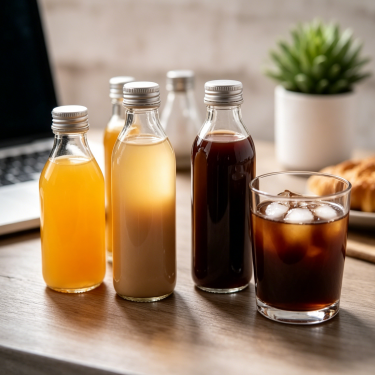
| Small bottles ranging from 100ml to 330ml are commonly used for premium juices, functional drinks, health beverages, cold brew coffee, energy shots, and tasting products. Their portable design makes them ideal for on-the-go consumption, convenience stores, vending machines, hotels, airlines, and cafés. Although packaging costs per milliliter are generally higher, smaller bottles often command premium retail pricing while reducing product waste. |
 |
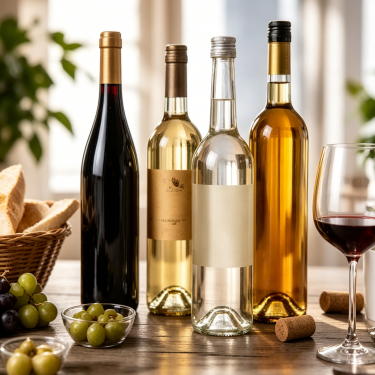 |
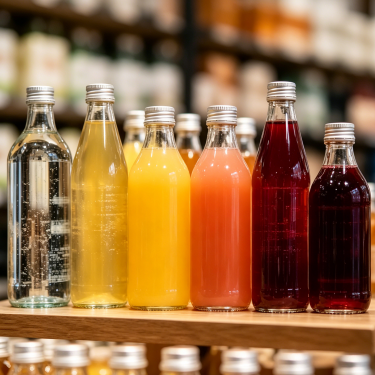
Medium-sized bottles between 350ml and 750ml represent the most versatile category in the beverage industry. These sizes are widely used for mineral water, sparkling beverages, kombucha, iced tea, cold brew coffee, flavored drinks, dairy beverages, wine, and premium juices. They provide an excellent balance between portability, serving convenience, shelf presentation, and transportation efficiency, making them popular among supermarkets, restaurants, and retail chains. |
| Large bottles from 750ml to 1500ml are designed for family sharing, hospitality, restaurants, catering services, and bulk purchasing. Wine, spirits, olive oil, infused beverages, and specialty drinks frequently adopt these capacities. Larger bottles reduce packaging material per liter, lower shipping costs, and enhance sustainability by minimizing packaging waste. |
 |
 |
Beyond capacity, beverage manufacturers should consider product characteristics when selecting bottle size. Carbonated drinks require bottles engineered to withstand internal pressure, while juices and dairy beverages may require wider openings for easier filling and pouring. Premium spirits and wines often benefit from heavier glass bottles that communicate luxury and enhance perceived value. Lightweight bottles, on the other hand, reduce transportation expenses and improve environmental performance without compromising product protection. |
| Consumer habits also influence bottle selection. Single-serve bottles appeal to busy professionals and younger consumers seeking convenience, whereas family-sized bottles better serve households and food service applications. Understanding purchasing occasions and consumption frequency helps brands optimize packaging for different markets. |
 |
 |
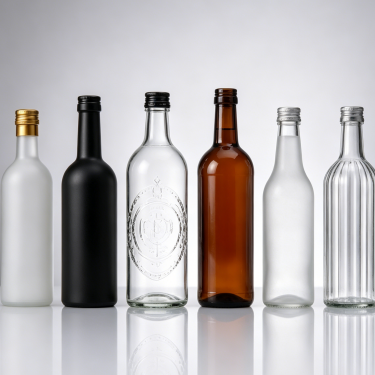
Finally, custom glass bottle manufacturing allows beverage companies to combine the ideal capacity with unique shapes, embossing, frosting, silk-screen printing, decals, colored glass, and premium closures. A customized bottle not only protects the beverage but also strengthens brand recognition and creates a memorable shelf presence. Working with an experienced glass bottle manufacturer ensures the selected size aligns with production requirements, filling equipment, logistics, and long-term marketing strategies. |
The best glass bottle size ultimately depends on your beverage type, target customers, distribution channels, and brand positioning. By balancing functionality, appearance, cost efficiency, and sustainability, beverage companies can create packaging that enhances product value while supporting business growth.