

Custom glass bottles have become an essential packaging solution for brands looking to differentiate their products in competitive markets. Whether used for beverages, food products, cosmetics, fragrances, or specialty items, a custom-designed glass bottle can significantly enhance product value and consumer perception. However, before investing in custom glass packaging, buyers should carefully assess several important factors to ensure the final product meets both functional and commercial requirements.
| The first consideration is the bottle design and intended application. The shape, capacity, neck finish, and overall appearance should match the product’s characteristics and target market. A premium perfume bottle may require a sophisticated design with decorative elements, while a food container may prioritize practicality, durability, and ease of storage. Understanding the end-use environment helps determine the most suitable design specifications. | 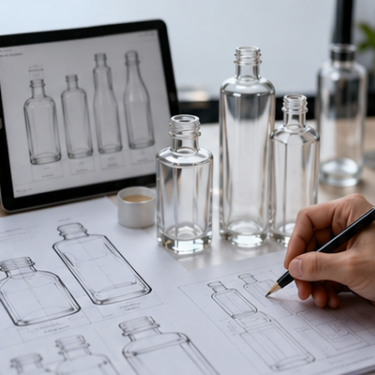 |
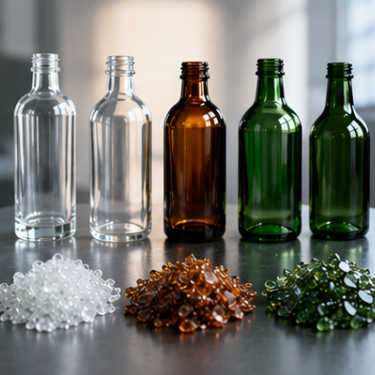 |
Material quality is equally important. High-quality glass provides excellent transparency, chemical stability, and product protection. Buyers should confirm whether flint, amber, green, or other colored glass is most appropriate for their product. For products sensitive to light exposure, darker glass options can offer additional protection and help maintain product integrity throughout its shelf life. |
| Decoration and branding options should also be evaluated early in the development process. Techniques such as silk-screen printing, hot stamping, frosting, spray coating, labeling, and embossing can transform a standard bottle into a distinctive brand asset. Choosing the right decoration method depends on the desired visual effect, budget, and production volume. | 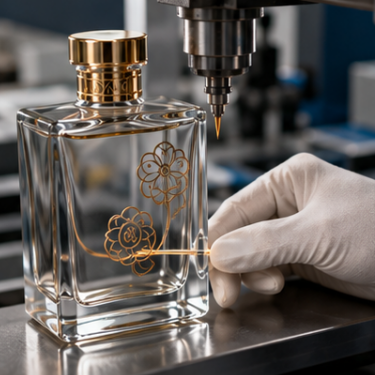 |
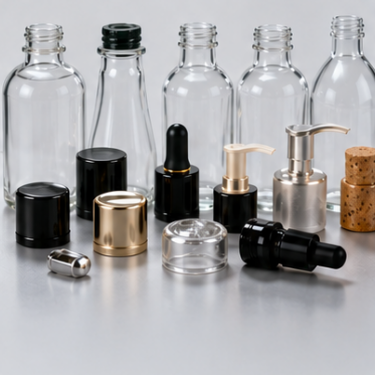 |
Closure compatibility is another critical factor often overlooked during customization. The bottle neck finish must be compatible with caps, pumps, droppers, corks, or other closure systems. Proper sealing performance helps prevent leakage, preserve product quality, and ensure a positive consumer experience. Testing bottle and closure combinations before mass production is highly recommended. |
| Production quantity and minimum order requirements can significantly influence project costs. Custom molds typically require an initial investment, making order volume an important consideration. Buyers should discuss mold ownership, tooling fees, production capacity, and future reorder plans with suppliers to maximize long-term value. |  |
 |
Lead time management is essential for successful product launches. Custom glass bottle projects involve multiple stages, including design development, mold manufacturing, sample approval, mass production, decoration, and international shipping. Planning ahead and working with an experienced manufacturer can help avoid delays and ensure products arrive on schedule. |
| Compliance and quality control should never be neglected. Depending on the target market and product category, packaging may need to meet specific regulatory standards. Reliable suppliers implement strict quality inspection procedures covering dimensions, weight consistency, appearance, sealing performance, and packaging integrity before shipment. |  |
 |
Finally, selecting the right manufacturing partner is one of the most important decisions in the customization process. An experienced glass bottle supplier can provide professional design support, engineering expertise, quality assurance, and flexible production solutions. Strong communication and transparent project management help reduce risks and contribute to a smoother purchasing experience. |
By carefully evaluating design requirements, material selection, decoration options, closure compatibility, production costs, lead times, and supplier capabilities, businesses can make informed decisions and develop custom glass bottles that successfully combine functionality, aesthetics, and brand value.


