

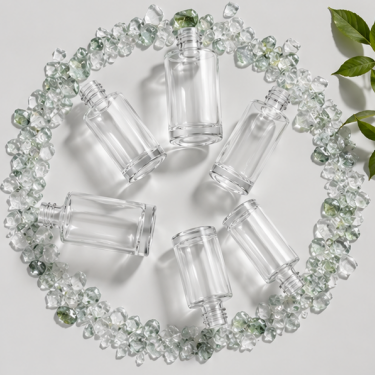
| Sustainability has become a key consideration in modern packaging, and glass bottles continue to be recognized as one of the most environmentally responsible options available. Manufactured from abundant natural materials including silica sand, soda ash, and limestone, glass packaging offers an environmentally friendly alternative that supports long-term resource conservation. Unlike many plastic materials that gradually degrade after repeated recycling, glass can be recycled endlessly without losing its clarity, strength, or purity, making it an essential component of a circular economy. |  |
 |
Glass bottles also provide exceptional product protection. Their non-porous and chemically inert surface prevents reactions between the packaging and its contents, preserving the original flavor, fragrance, color, and effectiveness of beverages, foods, cosmetics, pharmaceuticals, and essential oils. This stability helps reduce product waste while extending shelf life and maintaining consistent quality throughout transportation and storage. |
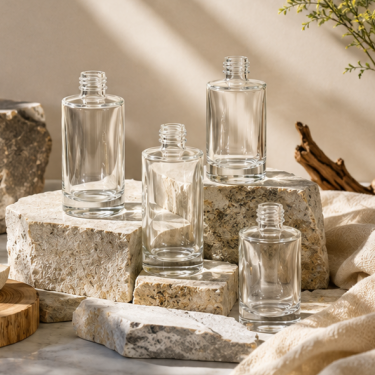
| Another important advantage is durability and reusability. High-quality glass bottles can be cleaned, sterilized, and reused multiple times before being recycled. This extended lifecycle significantly lowers the overall environmental impact compared with single-use packaging materials. For manufacturers, glass bottles also support premium branding through decoration processes such as frosting, spraying, silk printing, hot stamping, and embossing without compromising recyclability. | 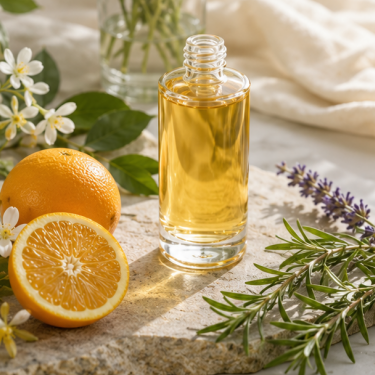 |
 |
As governments, businesses, and consumers continue to pursue greener supply chains, glass packaging remains a preferred solution that combines sustainability, product safety, premium appearance, and long-term economic value. Choosing glass bottles is not only an investment in superior packaging quality but also a meaningful commitment to environmental protection and sustainable development. |


