

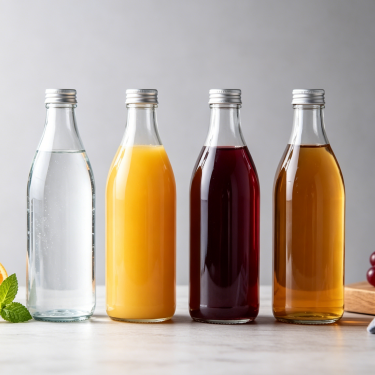
Glass bottles have been trusted for centuries as one of the safest and most reliable beverage packaging solutions. As consumers pay greater attention to health, sustainability, and product quality, glass has become increasingly popular for drinking water, juice, wine, spirits, milk, coffee, kombucha, and other beverages. Compared with plastic and some metal containers, glass provides unique advantages that enhance both the drinking experience and long-term environmental value.
One of the greatest advantages of glass bottles is their chemical stability. Food-grade glass is non-porous and chemically inert, meaning it does not react with acidic, alcoholic, or carbonated beverages. It contains no BPA or harmful additives that could migrate into drinks, allowing beverages to maintain their original flavor, aroma, and freshness. This makes glass especially suitable for premium beverages where taste and quality are essential.
 |
 |
Glass also offers exceptional purity. Because it does not absorb odors, stains, or flavors, every refill delivers a clean drinking experience. Whether switching from juice to sparkling water or from coffee to tea, the bottle remains easy to clean and does not retain unwanted smells, making it ideal for repeated daily use.
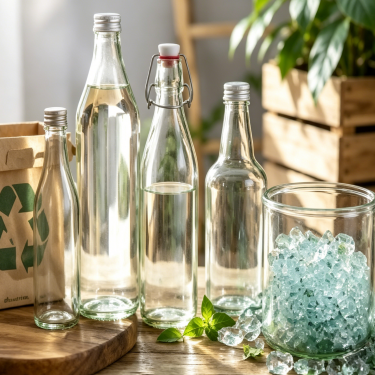
From an environmental perspective, glass is one of the most sustainable packaging materials available. Manufactured primarily from natural raw materials such as silica sand, soda ash, and limestone, glass can be recycled endlessly without losing its quality or performance. Choosing reusable glass bottles helps reduce plastic waste and supports a circular economy, making it a preferred option for environmentally responsible consumers and brands.
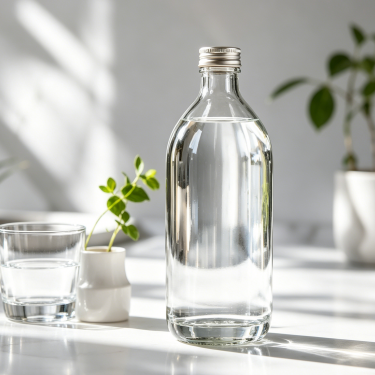
Another important benefit is product presentation. Glass naturally conveys quality, transparency, and sophistication. Its crystal-clear appearance allows consumers to view the beverage directly while creating a premium shelf presence. Manufacturers can further enhance branding through frosting, screen printing, spray coating, embossing, hot stamping, and decorative closures, creating distinctive packaging that strengthens brand recognition.
 |
 |
 |
Durability is another key advantage. Modern glass bottles are manufactured using advanced forming and strengthening technologies that improve impact resistance and transportation performance. Combined with reliable closures such as aluminum screw caps or corks, glass bottles provide excellent sealing performance that protects beverages during storage and distribution.
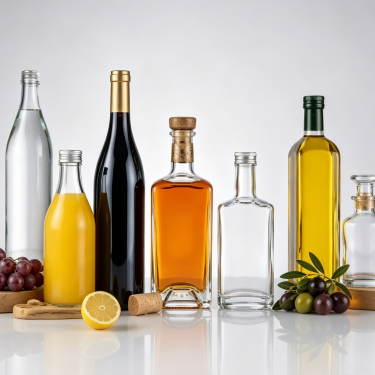
In addition, glass is highly versatile. Available in various shapes, sizes, colors, and finishes, it serves industries ranging from bottled water and soft drinks to wine, spirits, edible oils, cosmetics, and pharmaceuticals. Its compatibility with automated filling lines also makes it an efficient choice for large-scale production.
In conclusion, drinking from glass bottles offers significant benefits for both consumers and manufacturers. Superior product safety, excellent taste preservation, unlimited recyclability, premium appearance, and long service life make glass one of the best packaging materials available today. As sustainability and product quality continue to drive purchasing decisions worldwide, glass bottles will remain an essential choice for modern beverage packaging.


