

As environmental concerns continue to influence consumer behavior and business strategies, packaging materials are receiving more attention than ever before. Manufacturers across the food, beverage, cosmetic, and pharmaceutical industries are searching for sustainable alternatives that reduce environmental impact while maintaining product quality. Among the many packaging materials available today, glass has emerged as one of the most trusted and environmentally responsible options. But is glass truly the most eco-friendly packaging material available?
|
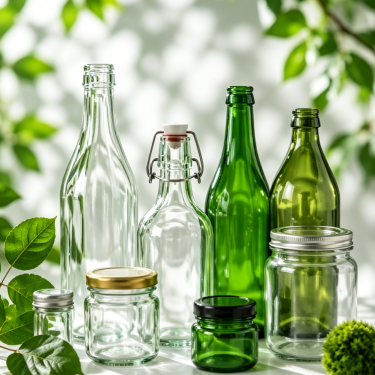
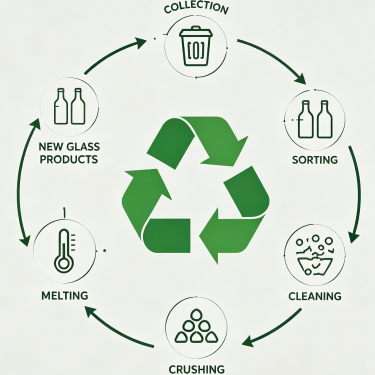
One of the greatest advantages of glass packaging is its infinite recyclability. Unlike many materials that degrade during the recycling process, glass can be recycled repeatedly without losing its quality, purity, or performance. Recycled glass, often referred to as cullet, can be transformed into new bottles and jars countless times, helping reduce the need for raw materials and lowering overall energy consumption during manufacturing. This closed-loop recycling process makes glass an important component of the circular economy. |
 |
 |
Glass is also made from abundant natural materials such as sand, soda ash, and limestone. These raw materials are widely available and can be processed without relying on fossil-fuel-based feedstocks commonly used in plastic production. As a result, glass packaging is often viewed as a more natural and sustainable solution for long-term packaging needs. |
|
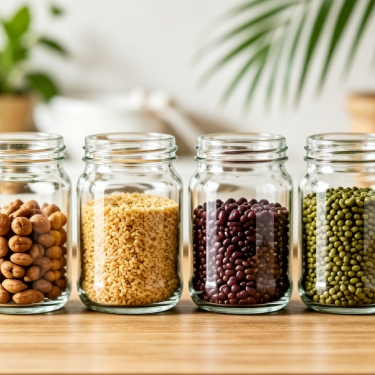
Another important environmental benefit is product safety and preservation. Glass is non-porous and chemically stable, meaning it does not react with food, beverages, cosmetics, or pharmaceuticals. It prevents contamination, preserves flavor and freshness, and eliminates concerns about chemical migration. Because glass helps extend product shelf life and reduce spoilage, it can indirectly contribute to lower levels of food waste, which is a major global sustainability challenge. |
 |
 |
Consumers also associate glass packaging with quality, health, and environmental responsibility. Studies consistently show that many shoppers prefer products packaged in glass because they perceive the material as safer, more premium, and more sustainable than plastic alternatives. This growing consumer preference is encouraging brands to invest in glass packaging as part of their sustainability initiatives. |
| However, glass is not without challenges. Compared with plastic, glass is heavier and more fragile, which can increase transportation emissions and logistics costs. Manufacturing glass also requires high temperatures, resulting in significant energy consumption. Nevertheless, technological improvements, lightweight bottle designs, renewable energy adoption, and increased recycled glass content are helping manufacturers reduce the environmental footprint of glass production. | 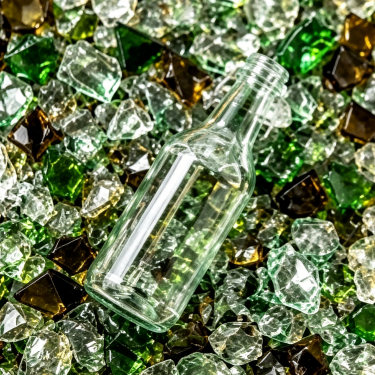 |
 |
When compared with alternative materials, glass offers a unique combination of recyclability, durability, product protection, and consumer trust. Plastic may be lighter and less expensive, but it often faces recycling limitations and environmental pollution concerns. Paper-based packaging is renewable but may lack durability and barrier protection. Metal packaging provides strong recyclability but may require more resource-intensive extraction processes. Glass remains one of the few materials capable of delivering premium performance while supporting long-term sustainability goals. |
So, is glass the most eco-friendly packaging material available? The answer depends on the specific application and supply chain considerations. While no packaging material is completely impact-free, glass stands out as one of the most sustainable choices due to its endless recyclability, material purity, product protection capabilities, and strong alignment with circular economy principles. For brands seeking to combine environmental responsibility with premium product presentation, glass packaging continues to be one of the best solutions available in today’s market.
As industries move toward a more sustainable future, glass is expected to play an increasingly important role in reducing waste, supporting recycling systems, and meeting consumer demand for environmentally responsible packaging. Its ability to balance functionality, aesthetics, and sustainability makes glass a powerful packaging material for the next generation of products.


