

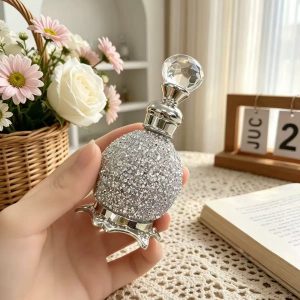
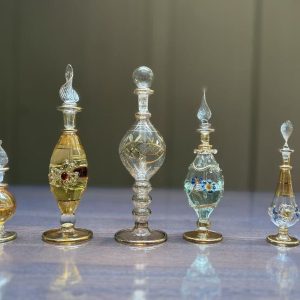
| In the sustainable fragrance packaging industry, recycled glass bottles have become a mainstream choice for brands pursuing eco-friendly production. However, residual essential oil and perfume odors trapped inside used glass containers have long troubled manufacturers and resellers. Even after basic water rinsing, oily scent molecules cling firmly to inner glass walls, contaminating new fragrances and ruining product experience for end buyers. For decorative rhinestone perfume bottles and Middle Eastern attar containers, thorough odor removal is a mandatory step before repackaging, as faint mixed smells will drastically lower customers’ sense of luxury. | 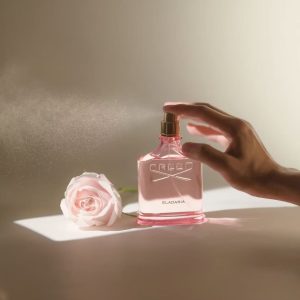 |
 |
Simple warm water flushing can only wash away loose liquid residues and fails to break down concentrated aromatic oils. Light lingering odors can be initially reduced by mixing unscented dish soap with hot water, filling the bottle fully and shaking vigorously for one to two minutes. Let the soapy mixture sit for 30 minutes to soften sticky oil layers, then repeat rinsing three to five times until the drained water stays transparent. This primary cleaning method suits lightly used glass vials with mild floral or citrus fragrances and requires no special chemical supplies. |
| For bottles carrying heavy oud, musk or woody perfume scents, a natural deep-clean formula of white vinegar and baking soda delivers powerful odor neutralization. Fill half the bottle with hot water, add one spoon of baking soda and several drops of vinegar; the fizzy chemical reaction lifts embedded oil residues from glass surfaces. Seal the bottle and soak it overnight, then rinse repeatedly to clear all cleaning mixture traces. This cost-effective natural solution avoids harsh chemical residues and fits eco-luxury brand standards for recycled packaging processing. |  |
 |
Isopropyl rubbing alcohol stands as the most efficient solvent for stubborn, long-lasting fragrance odors, widely adopted by cosmetic glass factories for mass bottle refurbishment. Alcohol dissolves aromatic oil molecules rapidly and disinfects the inner cavity at the same time. Fill the recycled bottle with pure rubbing alcohol, shake thoroughly, and leave it sealed for 4–8 hours. Pay extra attention to narrow dropper necks and atomizer tubes, which easily trap hidden scents; disassemble metal dropper fittings and crystal stoppers to soak separately for full deodorization. |
| Auxiliary physical deodorizing steps further erase faint leftover smells after liquid cleaning. Two practical industry methods are available: placing fully rinsed bottles under indirect sunlight for 24 hours, where UV rays break down remaining scent compounds; or filling empty dry bottles with dry coffee grounds or activated charcoal for two days to absorb residual odors. Avoid prolonged direct sunlight exposure for rhinestone-decorated bottles, as intense heat may loosen surface crystal embellishments and damage electroplated metal accessories. | 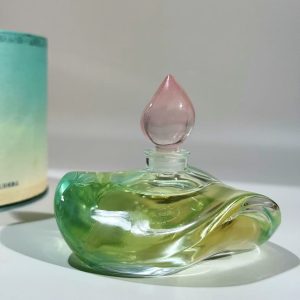 |
 |
Standardized drying procedures prevent secondary odor generation after cleaning, a detail easily overlooked in small-batch recycling workshops. All glass bottles, metal fittings and crystal caps must be air-dried upside down in a well-ventilated dust-free area for at least 24 hours before refilling. Trapped moisture inside narrow necks breeds mildew and creates new weird odors. Skip quick towel wiping, as fabric lint will stick to inner walls and cause cross-contamination with new essential oils or perfumes. |
| Mastering complete odor-elimination workflows brings multiple long-term benefits for fragrance packaging businesses. Fully deodorized recycled glass bottles eliminate cross-scent complaints from retail clients, improve product reputation and support green marketing campaigns targeting eco-conscious consumers, especially buyers from Dubai and Middle Eastern markets who value pure, undiluted attar. Standardized cleaning processes also extend the reusable lifespan of ornate rhinestone perfume bottles, cutting raw material costs and forming a competitive edge for cosmetic glass suppliers in the global packaging trade. | 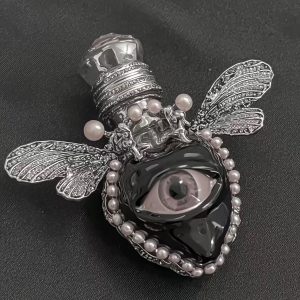 |
How To Eliminate Lingering Odors Inside Recycled Glass Bottles?
Aug, 12. 2026
|
247 View


