

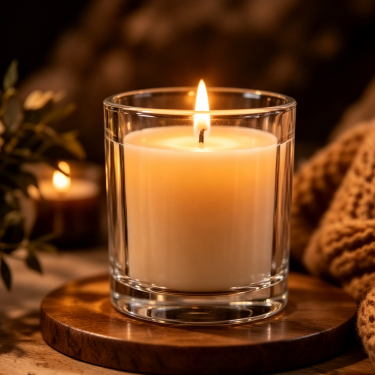
Glass candle containers are widely used because they combine aesthetics, functionality, and durability. However, not all candle jars perform the same under heat. One of the most important factors influencing candle safety is glass thickness. Choosing the appropriate thickness helps manufacturers reduce the risk of cracking, overheating, and breakage while improving the overall candle-burning experience.
 |
 |
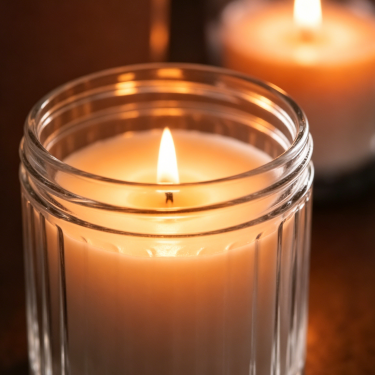 |
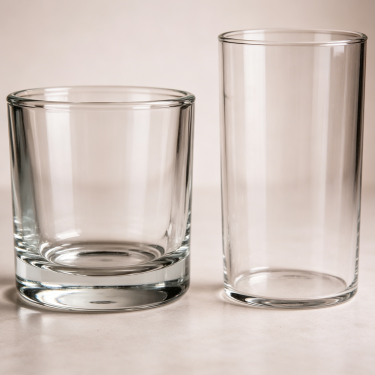
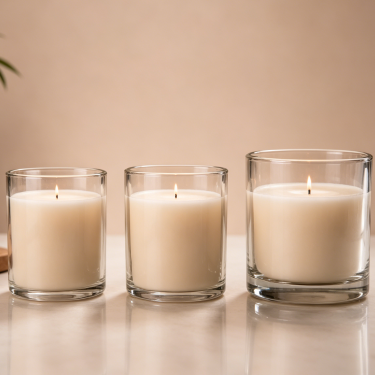
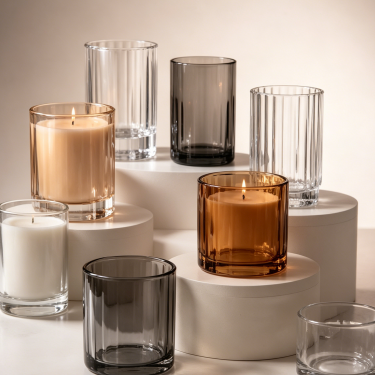
Thicker glass generally provides greater structural strength and durability. During candle burning, the container is continuously exposed to elevated temperatures. A thicker wall can better withstand mechanical stress and accidental impacts, reducing the likelihood of failure during transportation, storage, and consumer use. For premium candles, thicker glass often conveys a higher-quality appearance while offering additional protection.
Glass thickness also affects heat distribution. Thin glass heats up quickly because heat transfers rapidly through the material. While this can make the container feel warmer to the touch, it may also increase thermal stress in certain areas. Properly designed thicker glass can help distribute heat more evenly around the container, reducing localized hot spots that may contribute to cracking.
 |
 |
 |
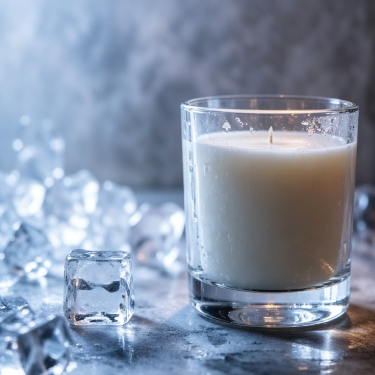
Thermal shock resistance is another critical consideration. Thermal shock occurs when different parts of the glass experience rapid temperature changes. For example, moving a hot candle into a cool environment can create stress within the container. Glass with appropriate thickness and quality manufacturing standards is generally better equipped to resist thermal shock and maintain structural integrity.
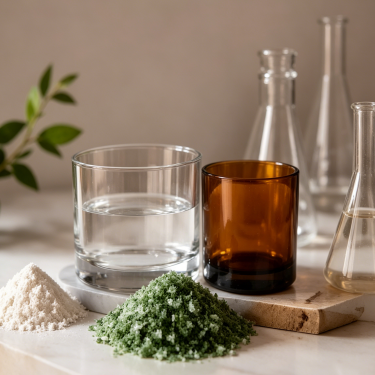
The relationship between wax, wick size, and glass thickness should also be considered. An oversized wick can generate excessive heat, causing the glass walls to become hotter than intended. Manufacturers often test various combinations of wick sizes, wax formulations, and container dimensions to ensure safe operating temperatures. Even thick glass containers require proper candle design to maximize safety.
 |
 |
Excessively thick glass, however, is not always the best solution. If the glass becomes too thick, uneven heating can occur between the inner and outer surfaces. This may create temperature differences that increase internal stress. Therefore, the ideal candle jar is one that balances thickness, glass quality, container shape, and overall engineering design.
Modern candle manufacturers increasingly use high-quality soda-lime glass or borosilicate glass for enhanced performance. Combined with appropriate wall thickness, these materials improve heat resistance, durability, and product consistency. Rigorous testing procedures further ensure that candle containers meet safety requirements before reaching consumers.
Ultimately, glass thickness is a key component of candle safety, but it must work together with material quality, container design, wax characteristics, and wick selection. A well-designed glass candle container not only improves safety but also enhances product value, customer trust, and brand reputation in the competitive candle market.


