

| Glassware is far more than a simple container for cocktails. Many bar operators and beverage brands focus on flavor blending but overlook the importance of glass shape. As the first carrier connecting drinks and consumers, different glass structures change how people perceive cocktails. The outline, opening width, depth and curve of glassware jointly affect aroma release, taste perception and the overall drinking atmosphere, shaping customers’ intuitive experience from the first sip. |  |
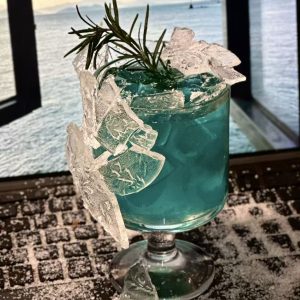 |
The rim width of glass directly controls the diffusion of cocktail aroma. Wide-mouthed glass increases the contact area between liquid and air, allowing fruity, herbal and alcoholic fragrances to spread freely. Narrow-neck glass gathers scent inside the vessel and slows aroma volatilization. Drinkers will capture different layers of fragrance when bringing lips to glasses with varying calibers, which greatly changes the sensory impression of the same cocktail formula. |
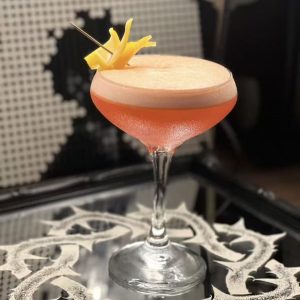
| Glass shape guides the flow direction of liquid when drinking. Tall straight glasses deliver liquid steadily onto the middle of the tongue, highlighting sweet and fruity notes. Curved coupe glasses let liquid touch the front and sides of the tongue first, making sour and refreshing flavors more prominent. Such subtle differences alter people’s judgment on cocktail balance, even if the recipe remains completely unchanged. | 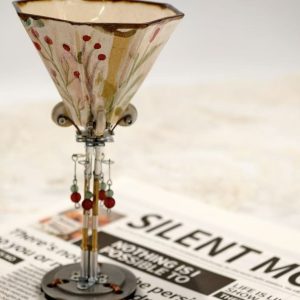 |
 |
Visual presentation brought by glass shape cannot be ignored. Unique glass silhouettes display layered drinks, ice cubes, fruit garnishes and decorative herbs to better effect. Attractive glass shapes improve the aesthetic value of cocktails, encourage customers to take photos and share on social platforms. Good-looking glassware raises perceived value and makes consumers more willing to pay premium prices for mixed drinks. |
| Glass structure also affects the melting speed of ice. Tall slender glasses reduce ice contact with warm air and slow dilution, keeping cocktail concentration stable longer. Short wide glasses accelerate ice melting and gradually soften strong alcohol taste. Choosing matching glass shapes helps bartenders maintain consistent flavor from the first sip to the last. |  |
 |
Different glass shapes match varied consumption scenarios. Stemmed glass prevents hand temperature from warming drinks, ideal for cold cocktails. Heavy-based tumbler glasses feel solid and comfortable to grip, suitable for casual bar scenes. Beverage businesses can select targeted glass shapes according to product positioning to create exclusive consumption atmosphere for guests. |
| In conclusion, glass shape acts as an invisible factor reshaping the whole cocktail drinking experience. It regulates aroma release, adjusts taste delivery, controls ice dilution and optimizes visual effects. Bars and beverage brands should select glassware based on cocktail characteristics. Reasonable matching between drinks and glass shapes improves customer satisfaction and helps build distinctive catering competitiveness. |  |
How Does Glass Shape Influence The Drinking Experience Of Cocktails?
Aug, 12. 2026
|
228 View


