

|
Many perfume buyers focus on aroma composition and cap tightness when evaluating storage performance, yet overlook bottle contour as a critical factor. Bottle contour refers to the overall shape, neck width, curvature and body structure of glass perfume containers. Different contour designs change air circulation inside the bottle and the contact area between perfume liquid and air. These subtle structural differences directly affect how fast perfume evaporates during long-term placement.
|
 |
 |
The width of the bottle neck is one of the most influential contour features. Bottles with wider necks create a larger exposed liquid surface after the liquid level drops. More liquid makes contact with circulating air, accelerating natural evaporation. In contrast, slender, narrow necks limit air exchange between the inner space and external environment. Even with the same cap sealing performance, narrow-neck contour effectively slows down perfume volatilization and extends the service life of fragrance.
|
|
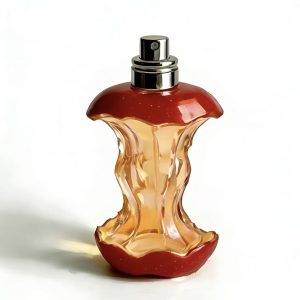
Body curvature and shoulder transition also bring obvious effects. Bottles with abrupt, steep shoulder shapes easily form stagnant air zones above the liquid surface. When temperature fluctuates, internal air convection speeds up and drives continuous evaporation. Smooth, gradual curved shoulders help stabilize internal airflow. Gentle contour transitions reduce violent air flow inside the container and restrain the volatilization rate of perfume essence.
|
 |
 |
Overall bottle volume and liquid residual space interact closely with contour design. Large, wide flat bottle bodies leave ample air space above the perfume as liquid is consumed. Combined with an unreasonable contour structure, abundant internal air absorbs fragrance molecules continuously. Slender vertical bottle shapes minimize the air layer above the liquid. This contour feature limits the space for perfume molecules to diffuse and suppress evaporation.
|
|
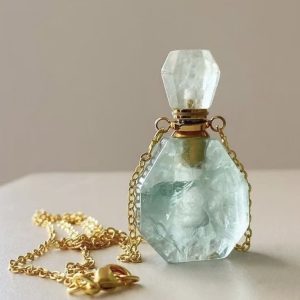
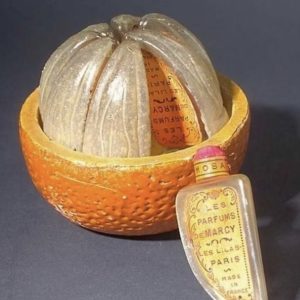
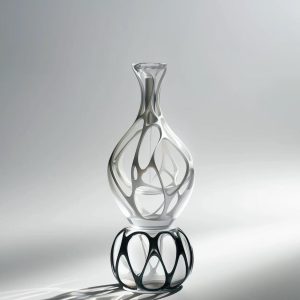
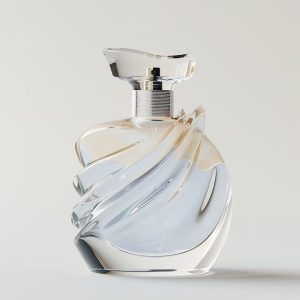
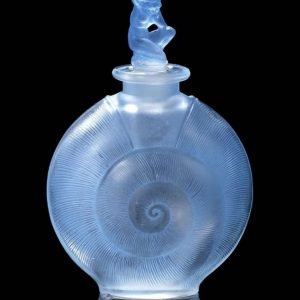
Special irregular contour designs carry hidden evaporation risks. Angular, multi-faceted and uniquely shaped art perfume bottles often come with uneven wall structures and complex inner spaces. These complicated contours create multiple small air convection areas inside the bottle. Compared with streamlined cylindrical bottles, irregular contours tend to speed up fragrance loss, especially under unstable room temperature conditions.
|
 |
 |
Contour matching with spray pumps matters for practical usage. Some overly narrow bottle mouths limit matching sealing accessories. If the contour cannot form a tight fit with spray assemblies, tiny gaps remain between components. Air slowly penetrates through gaps and triggers sustained evaporation. Reasonable contour design reserves precise assembly dimensions, ensuring the pump and bottle mouth form reliable sealing to avoid extra fragrance loss.
|
|
In summary, bottle contour affects perfume evaporation speed via neck width, shoulder shape, internal space and accessory matching. Perfume brands need to balance aesthetic demands and practical storage performance during packaging development. Selecting streamlined, narrow-neck glass contour designs can reduce unnecessary evaporation, protect perfume aroma stability and improve end-user experience.
|
 |
How Does Bottle Contour Impact Perfume Evaporation Speed?
Aug, 13. 2026
|
1001 View


