

| Food safety has become one of the most important concerns for consumers and food manufacturers worldwide. Packaging plays a critical role in protecting food quality, preserving freshness, and preventing contamination throughout the supply chain. Among various packaging materials available today, glass jars remain one of the safest and most trusted solutions for food storage and packaging. Their unique properties provide significant advantages in maintaining product integrity while meeting increasingly strict food safety standards. |  |
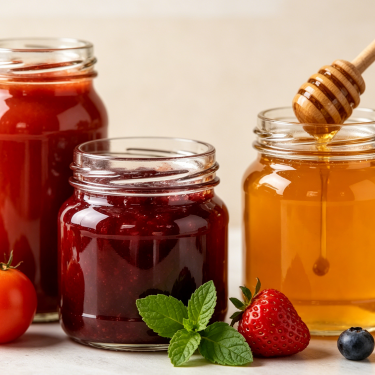 |
One of the primary reasons glass jars improve food safety is their non-porous and chemically inert nature. Unlike some packaging materials that may react with acidic, oily, or highly flavored foods, glass does not absorb odors, flavors, or chemicals. This ensures that the original taste, aroma, and nutritional value of food products remain unchanged throughout storage. Whether used for sauces, jams, honey, pickles, baby food, or dairy products, glass provides a pure and stable barrier between the food and the external environment. |
| Glass jars also offer superior protection against contamination. Their impermeable structure prevents oxygen, moisture, bacteria, and other external contaminants from entering the container when properly sealed. This helps extend shelf life while reducing the risk of spoilage. For food manufacturers, maintaining a secure packaging environment is essential for meeting food safety regulations and consumer expectations. | 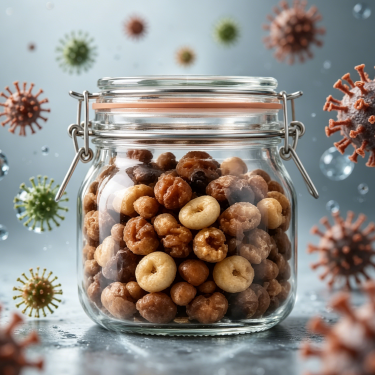 |
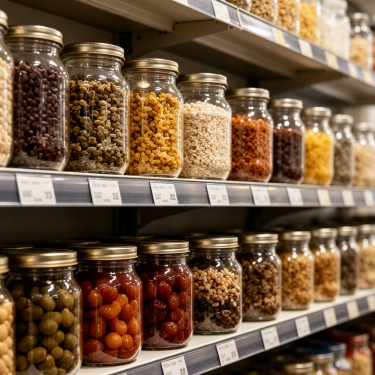 |
Another important advantage is transparency. Consumers can visually inspect the contents without opening the package, making it easier to assess product quality, freshness, and cleanliness. This transparency builds trust and confidence while helping brands communicate authenticity and product value. Retailers also benefit from improved product presentation and stronger shelf appeal. |
| Heat resistance is another factor that contributes to food safety. Glass jars can withstand high-temperature processing methods such as hot filling, pasteurization, and sterilization. These processes eliminate harmful microorganisms and extend product shelf life without compromising packaging performance. As a result, glass remains a preferred choice for many food and beverage manufacturers around the world. | 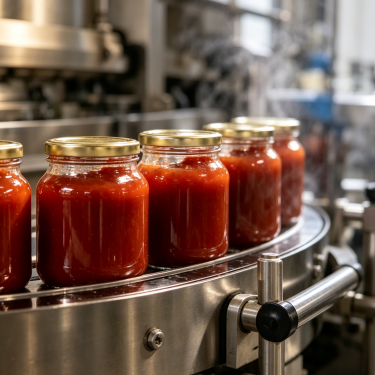 |
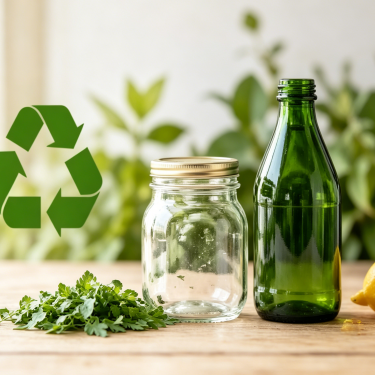 |
Sustainability further enhances the appeal of glass packaging. Glass is 100% recyclable and can be reused repeatedly without losing quality or purity. Unlike some materials that degrade during recycling, glass maintains its safety characteristics throughout multiple life cycles, supporting both environmental responsibility and consumer health. |
| As food safety standards continue to evolve, glass jars remain a reliable packaging solution that combines protection, purity, durability, and sustainability. Their ability to preserve food quality while preventing contamination makes them an ideal choice for brands seeking premium packaging and long-term consumer trust. | 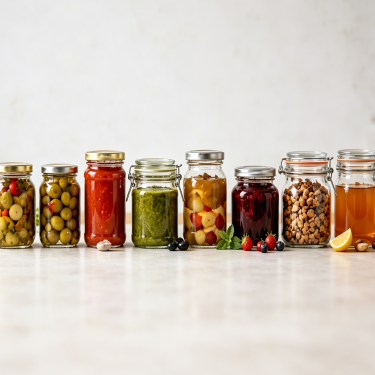 |


