

Packaging is far more than a protective container; it is an essential component of product presentation, transportation, storage, and brand identity. For food manufacturers, honey producers, jam brands, sauce companies, and specialty food businesses, glass jars remain one of the most trusted packaging solutions due to their durability, recyclability, and premium appearance. However, packaging expenses can significantly affect overall profitability, particularly when businesses purchase containers in small quantities. Bulk glass jar purchasing provides a strategic opportunity to reduce costs while maintaining consistent quality and supply reliability.
| One of the primary advantages of purchasing glass jars in bulk is the reduction in unit price. Manufacturers typically offer volume-based pricing structures, meaning larger orders receive lower per-unit costs. Production facilities can operate more efficiently when manufacturing large batches, allowing suppliers to pass some of these savings on to buyers. Even a small reduction in unit cost can generate substantial savings over time for businesses that consume thousands or millions of jars annually. |  |
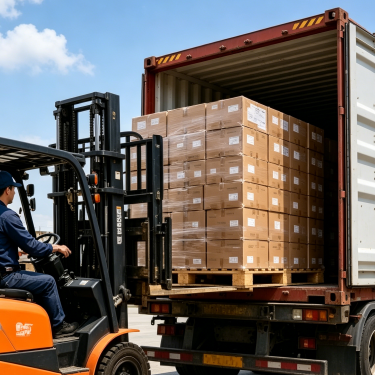 |
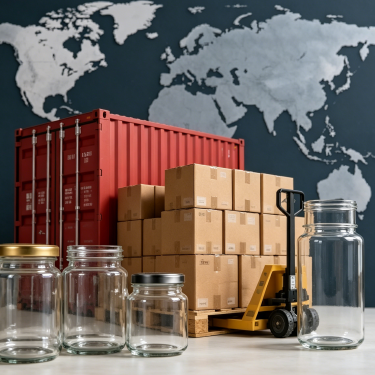
Transportation and logistics costs also become more efficient when products are purchased in larger quantities. Freight expenses, customs fees, and handling charges often represent a significant percentage of total packaging costs. Consolidating shipments into larger orders reduces the transportation cost allocated to each individual jar. This is particularly important for international buyers who import glass packaging from overseas manufacturers. Optimized container loading and fewer shipments throughout the year can dramatically improve overall supply chain efficiency. |
| Bulk purchasing also helps companies achieve greater inventory stability. Frequent small orders may appear less risky initially, but they often result in fluctuating pricing, repeated shipping charges, and potential supply disruptions. By maintaining adequate inventory through larger purchases, businesses can reduce emergency procurement costs and avoid production delays caused by packaging shortages. Stable inventory management contributes directly to smoother operations and more predictable budgeting. | 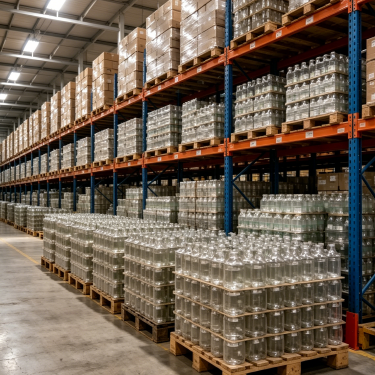 |
 |
Another important benefit is the opportunity for stronger supplier partnerships. Manufacturers are generally more willing to provide favorable pricing, flexible payment terms, customized packaging solutions, and priority production schedules to customers with larger order volumes. Long-term cooperation can lead to additional value-added services such as custom labeling, decorative printing, specialized closures, and tailored packaging development projects that would otherwise be difficult to justify for small-volume buyers. |
| Customization costs can also be significantly reduced through bulk orders. Many food brands require unique packaging designs to differentiate themselves in competitive markets. Mold development, logo printing, color coating, and custom lid production often involve fixed setup costs. When these costs are distributed across a larger number of units, the cost per jar decreases considerably, making premium packaging more affordable and commercially viable. | 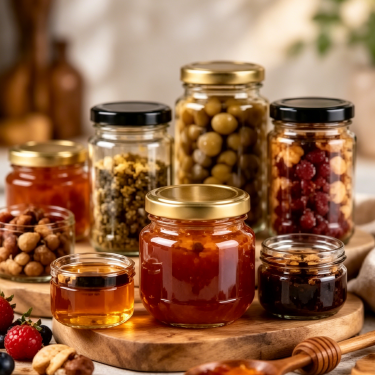 |
 |
Sustainability is another factor that supports bulk purchasing strategies. Larger shipments reduce transportation frequency and associated carbon emissions. Glass itself is infinitely recyclable and highly valued by environmentally conscious consumers. By combining bulk procurement with sustainable packaging practices, brands can strengthen both their cost structure and environmental credentials, creating additional marketing advantages. |
| In today’s competitive marketplace, reducing packaging expenses requires more than simply finding the lowest-priced supplier. Businesses must evaluate the total cost of ownership, including manufacturing, logistics, inventory management, customization, and long-term supplier relationships. Bulk glass jar purchasing addresses each of these areas by improving operational efficiency and generating economies of scale. Companies that implement strategic bulk purchasing programs often discover that lower packaging costs not only improve profit margins but also provide greater flexibility for product innovation, marketing investment, and future growth. | 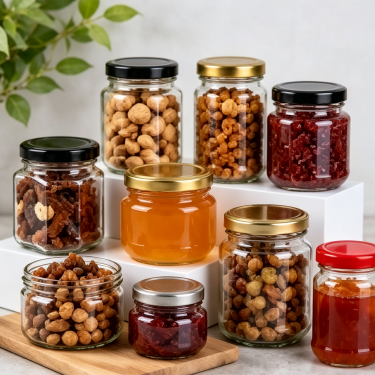 |
 |
As demand for premium and sustainable food packaging continues to grow worldwide, bulk purchasing of glass jars remains one of the most effective strategies for controlling costs while maintaining product quality. For brands seeking long-term competitiveness, investing in a reliable bulk glass packaging supply chain can deliver measurable financial and operational benefits across the entire business. |


