

|
Many cosmetic brands are exploring eco‑friendly packaging options, and recycled glass has drawn wide attention for its low‑carbon advantages. A common doubt remains among buyers: whether recycled glass can satisfy strict safety requirements for cosmetic grade containers. The answer depends heavily on raw‑material screening, production workflows and finished‑product testing instead of the recycled material itself.
|
 |
 |
Glass features infinite recyclability without essential performance loss, which distinguishes it from many recycled plastics. Properly processed recycled glass cullet can deliver identical chemical inertness as virgin glass. When melted under ultra‑high temperature, most organic contaminants will be completely burnt away, removing major hidden risks for cosmetic contact applications. However, poorly sorted waste glass brings serious risks to final products.
|
|
Raw‑material sorting forms the first critical barrier for cosmetic grade recycled glass. Ordinary mixed waste glass may contain building‑use fragments, colored impurities and metal residues. Without precise manual selection, AI‑driven color sorting and high‑pressure washing, heavy‑metal particles or foreign debris will stay inside cullet. Such unprocessed recycled glass can never be adopted for cosmetic container production.
|
 |
 |
High‑temperature melting and homogenization further stabilize recycled glass quality for cosmetic use. Qualified manufacturers melt cleaned cullet at extreme temperatures, keeping sufficient holding time to achieve uniform molecular distribution. This procedure eliminates residual pollutants and stabilizes chemical resistance. After annealing treatment, recycled glass gains stable mechanical strength matching traditional cosmetic glassware.
|
|
Strict finished‑product testing verifies whether recycled glass meets cosmetic grade standards. Certified producers run heavy‑metal migration tests, chemical compatibility checks and stability inspections on each batch. Only products passing these detections can be labelled as cosmetic grade. Many global cosmetic suppliers adopt third‑party certification such as GRS or ISO 14021 to prove their recycled‑glass compliance for international clients.
|
 |
 |
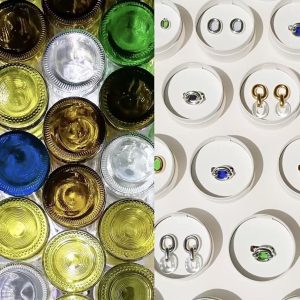
Even qualified recycled glass still brings practical limitations for packaging designers. Recycled glass may produce subtle color deviation compared with pure virgin glass. Clear recycled glass sometimes carries faint green or amber tint caused by mixed cullet. Brands pursuing absolute transparent appearance need to accept slight color differences or limit the proportion of recycled content inside glass formula.
|
|
Sustainable procurement tips help brands select reliable recycled‑glass cosmetic containers. Buyers should focus on supplier’s sorting capacity, test reports and recycled‑content certification rather than merely chasing high recycled percentage. When suppliers provide complete detection records, recycled glass can fully meet cosmetic grade standards and support brands’ green development targets.
|
 |
Can Recycled Glass Reach Standards for Cosmetic Grade Containers?
Aug, 26. 2026
|
1106 View


