

| Product shelf life is one of the most important considerations in food and beverage packaging. Manufacturers continually seek packaging materials that can preserve freshness, maintain product quality, and protect contents from external contamination. Glass bottles have long been regarded as one of the most effective packaging solutions because of their unique physical and chemical properties. | 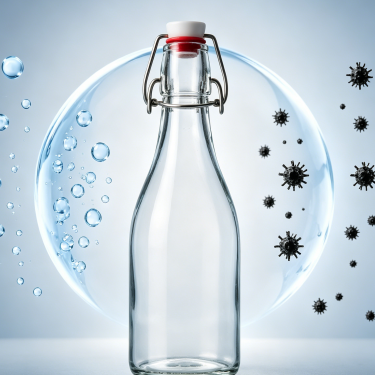 |
 |
One of the primary reasons glass bottles help extend shelf life is their exceptional barrier performance. Glass is completely non-porous and impermeable, meaning oxygen, moisture, and gases cannot pass through the container walls. Since oxygen exposure is a major cause of oxidation, flavor deterioration, and nutrient loss, the barrier provided by glass helps preserve the original characteristics of beverages, sauces, oils, and other packaged products for longer periods. |
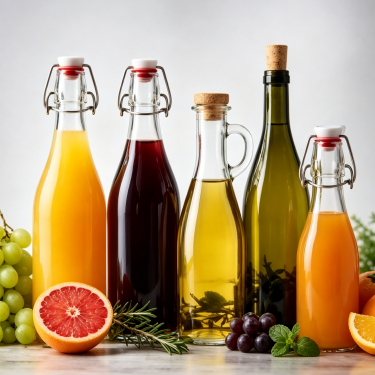
| Glass is also chemically inert, which means it does not react with the contents stored inside. Unlike some packaging materials that may interact with acidic, alcoholic, or highly flavored products, glass maintains product purity without affecting taste, aroma, or composition. This makes it particularly suitable for wine, juice, kombucha, spirits, specialty beverages, and premium food products. | 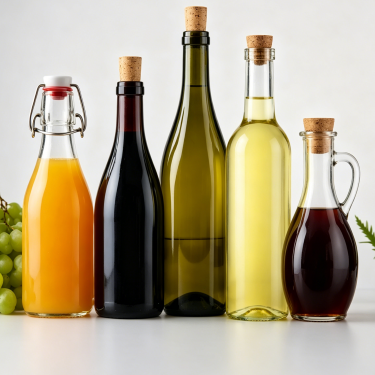 |
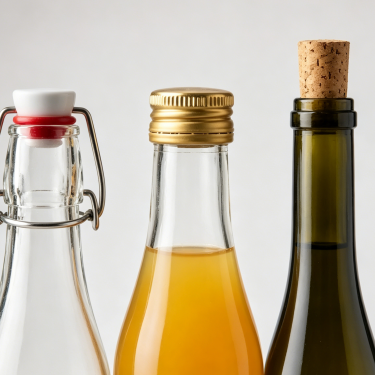 |
Another advantage is protection against contamination. When combined with high-quality closures such as screw caps, corks, or swing-top seals, glass bottles create a reliable airtight environment that helps reduce microbial exposure and preserves freshness during storage and transportation. This is especially valuable for products requiring stable quality throughout extended distribution cycles. |
| Light exposure can also affect shelf life for certain products. While clear glass showcases product appearance, colored glass options such as amber or green glass can provide additional UV protection, helping preserve sensitive ingredients and reducing quality degradation caused by sunlight. | 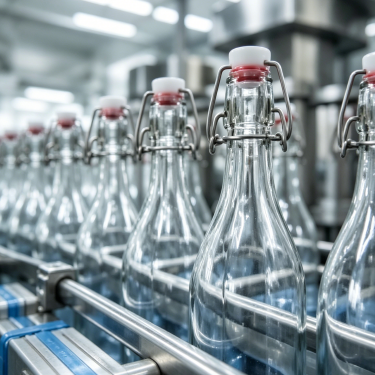 |
 |
Beyond preservation benefits, glass supports sustainability goals. Its durability and recyclability allow repeated use and recycling without loss of quality, making it an environmentally responsible packaging choice. As consumers increasingly associate glass packaging with quality, safety, and premium value, brands can benefit from both functional performance and stronger market appeal. |
| In conclusion, glass bottles can play a significant role in extending product shelf life by providing superior barrier protection, chemical stability, contamination resistance, and sustainable packaging advantages. When paired with appropriate sealing systems and storage conditions, glass packaging remains one of the most reliable solutions for preserving product quality from production to consumption. | 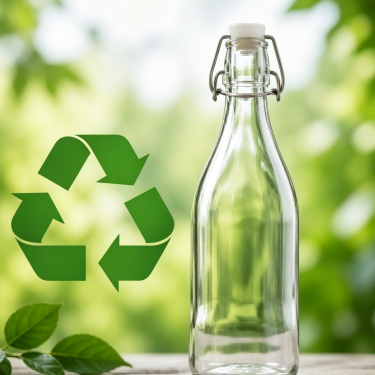 |


