

 |
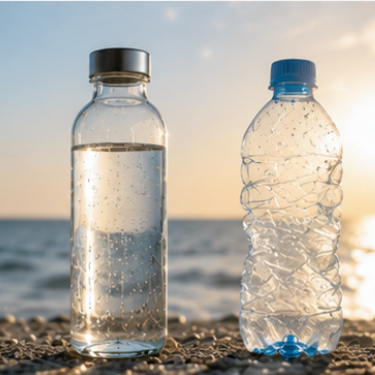
Glass water bottles are widely considered safer than plastic bottles due to their stable chemical structure and non-reactive properties. Unlike plastic containers that may contain additives such as BPA or other plasticizers, glass is naturally inert and does not release harmful substances into drinking water. This makes glass a preferred option for consumers who prioritize health, safety, and long-term water purity. |
|
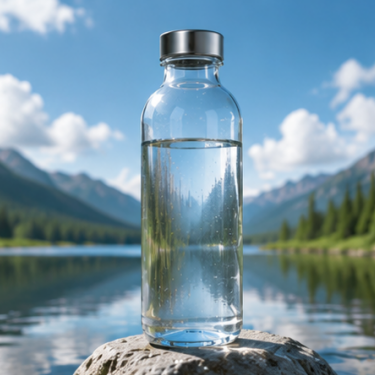
One of the key advantages of glass bottles is their ability to maintain the original taste and quality of water. Glass does not absorb odors, colors, or chemical residues, ensuring a clean and pure drinking experience even after long-term use. This stability makes it ideal for daily hydration, office use, and premium lifestyle applications. |
 |
 |
In contrast, plastic bottles may degrade over time due to heat exposure, sunlight, or repeated use. This degradation can potentially lead to the release of microplastics and other trace chemicals into water, raising concerns about long-term health effects. While plastic is lightweight and convenient, its safety and durability are often limited compared to glass. |
|
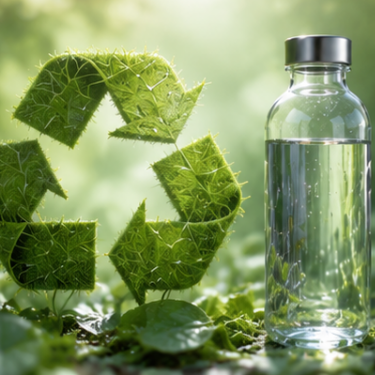
From an environmental perspective, glass bottles are fully recyclable and can be reused many times without losing quality. This significantly reduces plastic waste and supports sustainable living. Although glass is heavier and more fragile, its eco-friendly advantages and health benefits make it a superior long-term choice for conscious consumers. |
 |


