

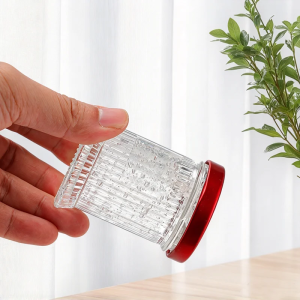
 Honey, bird’s nest and homemade preserves are extremely sensitive to air, humidity, mold spores and cross-contamination, so sealing performance directly decides product shelf life, flavor stability and final sales rate. Raw honey can absorb moisture from humid ambient air; once moisture content rises above the safe threshold, honey will start fermenting, bubbling and turning sour. Ready-to-eat bird nest is rich in protein, which oxidizes easily when exposed to oxygen, losing nutrition and developing off-flavors. Fruit jams, chutneys and pickled food are vulnerable to airborne mold if the seal fails during storage or transit.
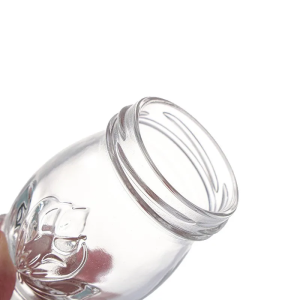
Our glass jars are matched with high-quality metal screw lids fitted with food-grade rubber sealing gaskets. Once tightened properly, the compressed gasket forms a continuous, tight barrier to block outside air, dust, moisture and microorganisms. This slows down oxidation, inhibits mold and yeast growth and locks in the original taste, aroma and nutrition of your premium food. All raw glass materials pass international food contact safety testing including heavy metal migration tests. We run random sealing leak tests on every production batch before packing.
We export food glass packaging worldwide to honey producers, bird nest processing factories, gourmet jam makers and food distributors. Reliable sealing reduces your wastage rate, cuts customer complaints about spoiled goods and helps your products meet shelf-life requirements for supermarkets and online retail platforms.
Airtight Glass Jars Extend Shelf Life of Honey & Bird Nest
Oct, 09. 2026
|
2 View


